NYC Rooftop Landscaping Design & Maintenance: What You Need to Know
June 30, 2026
Rooftop landscaping in NYC involves more than adding plants and furniture to a roof. Every project must account for structural limits, drainage systems, wind exposure, and long-term maintenance. This guide explains how NYC rooftop landscaping works, from planning and design to installation and ongoing care.
What Is Rooftop Landscaping and Why It Matters in NYC
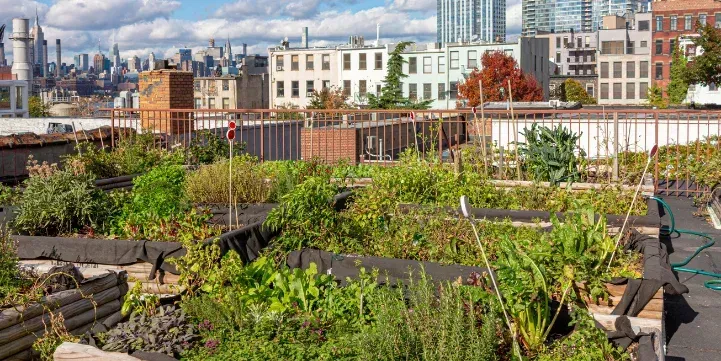
Rooftop landscaping turns unused roof space into a functional outdoor area for relaxing, entertaining, or adding visual value to a property. In New York City, this is especially valuable due to limited ground-level space. It also supports energy efficiency and helps manage stormwater when designed correctly.
Structural Requirements for Rooftop Landscaping in NYC
Every rooftop project starts with a structural review because not all roofs are built to support added weight. A licensed engineer typically evaluates the building before any design is finalized. This step helps prevent long-term issues such as leaks, sagging, or code violations.
Key Structural Factors to Review
- Load Capacity (Dead Load vs. Live Load): Dead load includes soil, planters, and built features, while live load includes people and movable items.
- Roof Type (Flat vs. Sloped Systems): Flat roofs are more suitable, while sloped roofs require specialized systems.
- Waterproofing and Root Barriers: These protect the roof membrane from moisture and root penetration.
- Access Points: Elevators, stairwells, or crane access impact installation logistics.
- Building Codes and Permits (NYC DOB): Many projects require approvals depending on the scope.
How to Plan an Effective NYC Rooftop Landscaping Design
Designing a rooftop space in NYC requires balancing appearance with performance. The layout must account for space limitations, exposure, and the area's daily use. A well-planned design improves both usability and long-term durability.
Core Design Features
- Zoned Layout Planning: Separate areas for seating, dining, and planting improve flow.
- Lightweight Assembly Systems: Pedestal pavers and modular decking reduce structural load.
- Integrated Planter Systems: Keep soil contained and stable.
- Wind Mitigation Design: Screens and layout choices help reduce wind impact.
- Utility Integration: Lighting, outlets, and water access should be planned early.
Best Plants for NYC Rooftop Landscaping Projects
Rooftop environments are more extreme than ground-level landscapes due to exposure to sunlight, wind, and limited soil depth. Plant selection must match these conditions to reduce failure rates. The right plant mix improves both appearance and long-term performance.
Best Plant Options for Rooftops
- Sedum and Hardy Groundcovers: Ideal for shallow soil systems and low maintenance.
- Ornamental Grasses: Handle wind well and add movement.
- Evergreen Shrubs (Boxwood, Juniper): Provide structure year-round.
- Compact Trees (Japanese Maple, Serviceberry): Work well in large planters.
- Seasonal Annuals and Herbs: Allow flexibility and seasonal updates.
Rooftop Drainage and Irrigation Systems Explained
Water management is one of the most critical components of rooftop landscaping. Without proper drainage, water can pool and damage both plants and the building. A well-designed system supports long-term performance and reduces maintenance issues.
Essential System Components
- Drainage Mat Layers: Move excess water away from the surface.
- Filter Fabric: Prevents soil from clogging drains.
- Slope-to-Drain Design: Directs water toward drainage points.
- Drip Irrigation Systems: Provide controlled watering.
- Smart Irrigation Controllers: Adjust watering based on weather.
What Rooftop Landscaping Maintenance Includes in NYC
Rooftop landscaping requires ongoing care due to constant exposure to the elements. Regular service helps maintain both function and appearance over time. Without maintenance, small issues can quickly turn into costly repairs.
Typical Maintenance Tasks
- Plant Health Monitoring and Pruning
- Soil and Nutrient Management
- Irrigation System Adjustments
- Drain Cleaning and Inspection
- Seasonal Plant Updates
- Pest and Disease Control
Common Rooftop Landscaping Problems and How to Avoid Them
Rooftop projects in NYC come with challenges that differ from standard landscaping. These issues often result from improper planning or installation. Understanding them early helps prevent long-term problems.
Frequent Issues to Watch For
- Excess Structural Weight
- Poor Drainage Design
- Wind Damage to Plants and Materials
- Limited Soil Depth
- Difficult Installation Access
Why You Should Hire a Professional Rooftop Landscaping Company
Rooftop landscaping requires coordination between design, engineering, and installation. Professional teams understand how to manage these moving parts effectively. This leads to better results and fewer long-term issues.
What a Professional Team Handles
- Structural evaluation and planning
- Custom rooftop layout design
- Drainage and irrigation installation
- Material selection based on weight and durability
- Code compliance and permits
- Ongoing maintenance services
Start Your NYC Rooftop Landscaping Project with Greengage Urbanscape
Planning a rooftop landscaping project in NYC requires experience and proper execution. Working with the right team helps avoid structural and design issues. Greengage Urbanscape provides complete rooftop landscaping design, installation, and maintenance services across Brooklyn and nearby areas.